Can you beat the models?
Five bottles drawn at random from the real test set both models were judged on, with the same odds as the real line: each draw is half likely to be a good bottle, half likely to be one of the three defect types, exactly matching the test set's mix. You'll be timed per image: call each one OK or defect as fast as you can, then see how you compare.
The neural net judges a bottle in 30 ms and catches 98.4% of defects. Here's what you're hunting for:
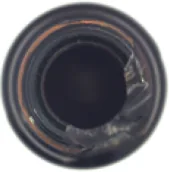 Large breaka big chunk missing from the rim or body
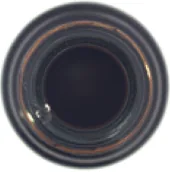 Small breaka small chip or crack, usually at the rim
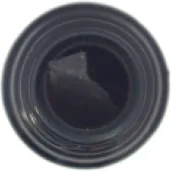 Contaminationdebris or residue sitting on the base
You'll get 5 random bottles. On average about half will be good, but any mix can come up, just like a real shift. Your timer starts when the first one appears.
How your score is computed
Accuracy is simply the share of your five calls that were right. Precision only counts the rounds where you shouted "defect": of those, how many really were defective? Recall only counts the rounds that really were defective: how many did you catch? F1 is the harmonic mean of the two, one number that punishes you for being trigger-happy and for being asleep.
The model's column uses the same formulas over the full 126-image exam, so the comparison is apples to apples; only the sample size differs. Curious how the model actually decides? Meet the two models →